Licences and permits
Visitors can generally drive on a foreign or international licence for up to three months from the date of entry, provided it is valid and clear to read. If your national licence is not in English or Arabic, carry an International Driving Permit alongside it. Rules can change, so confirm the current position for your country before you travel.
Speed limits and the rules
Default limits are around 60 km/h in towns, 100 km/h on rural roads and 120 km/h on the motorways, with cameras common and well signed. Seatbelts are compulsory for everyone in the car, and young children need a proper child seat. Oman has a zero-tolerance policy on drink-driving, and using a hand-held phone at the wheel is not allowed. At roundabouts, traffic already on the circle has priority.
Fuel and distances
- Fuel is inexpensive by regional standards, so an economy car is cheap to run
- Distances are long; fill up before remote stretches and carry water
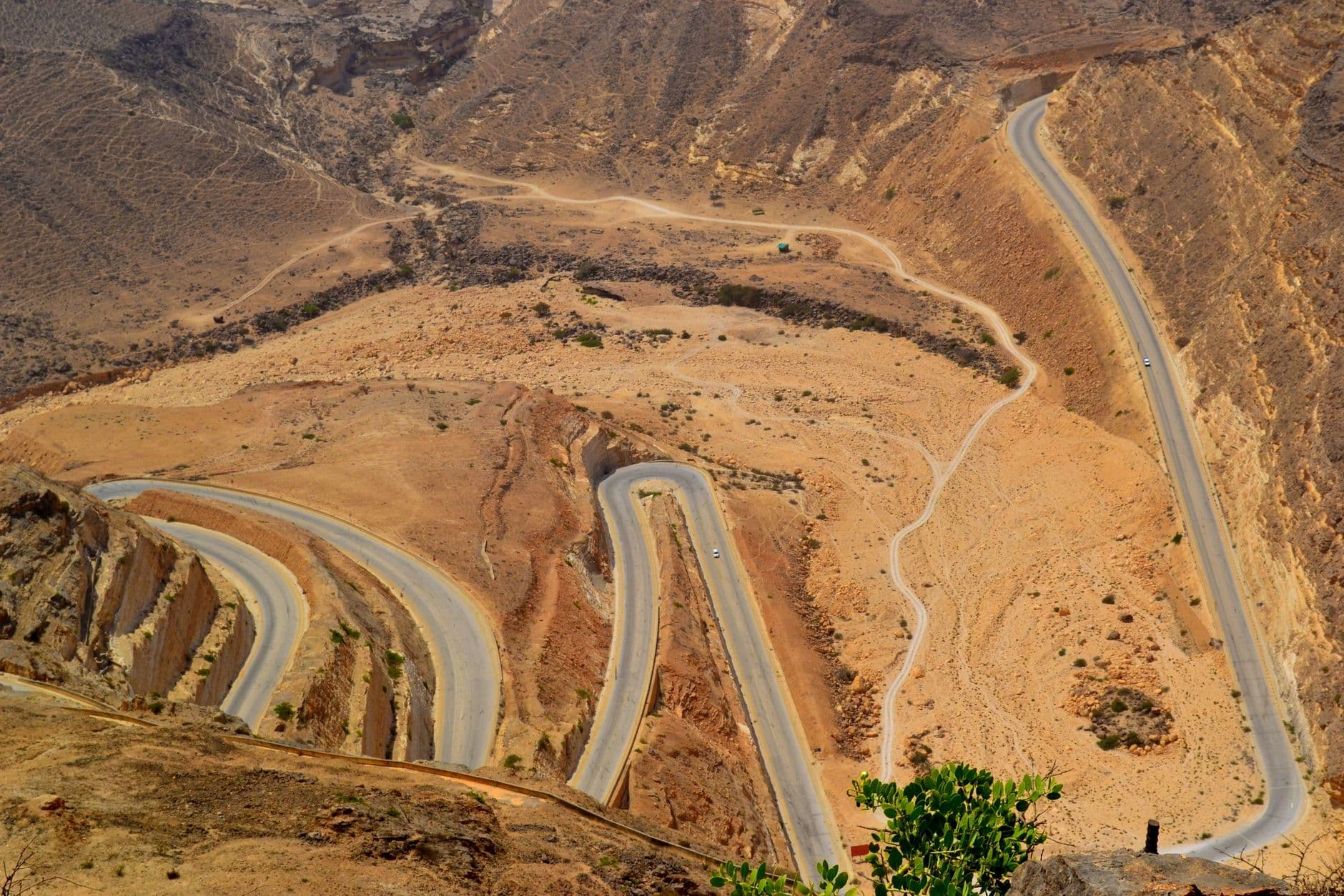
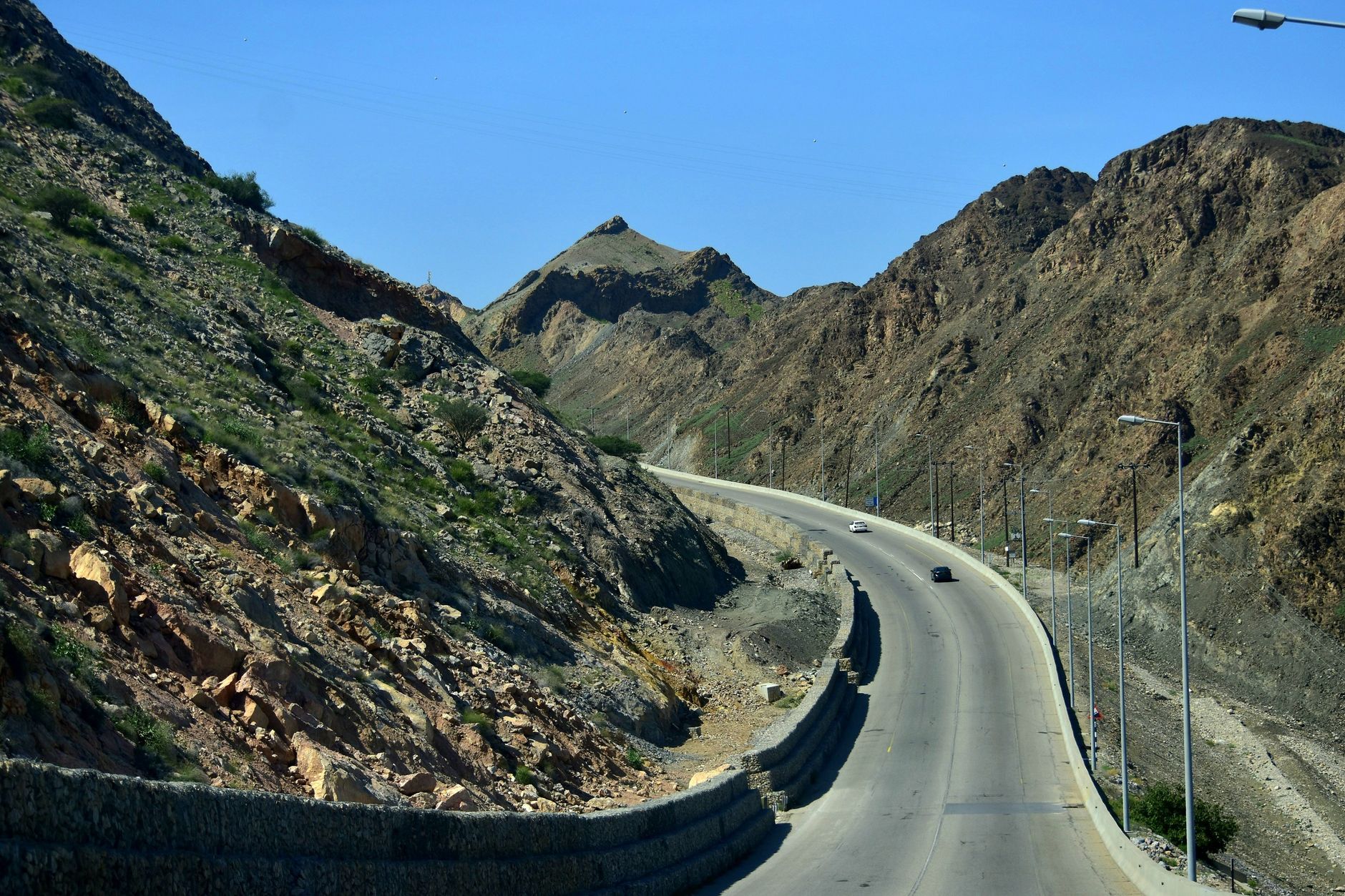
- Main highways are excellent, wide and well-signed in Arabic and English
- Petrol stations are plentiful on the main routes, sparser in the deep interior
On the road
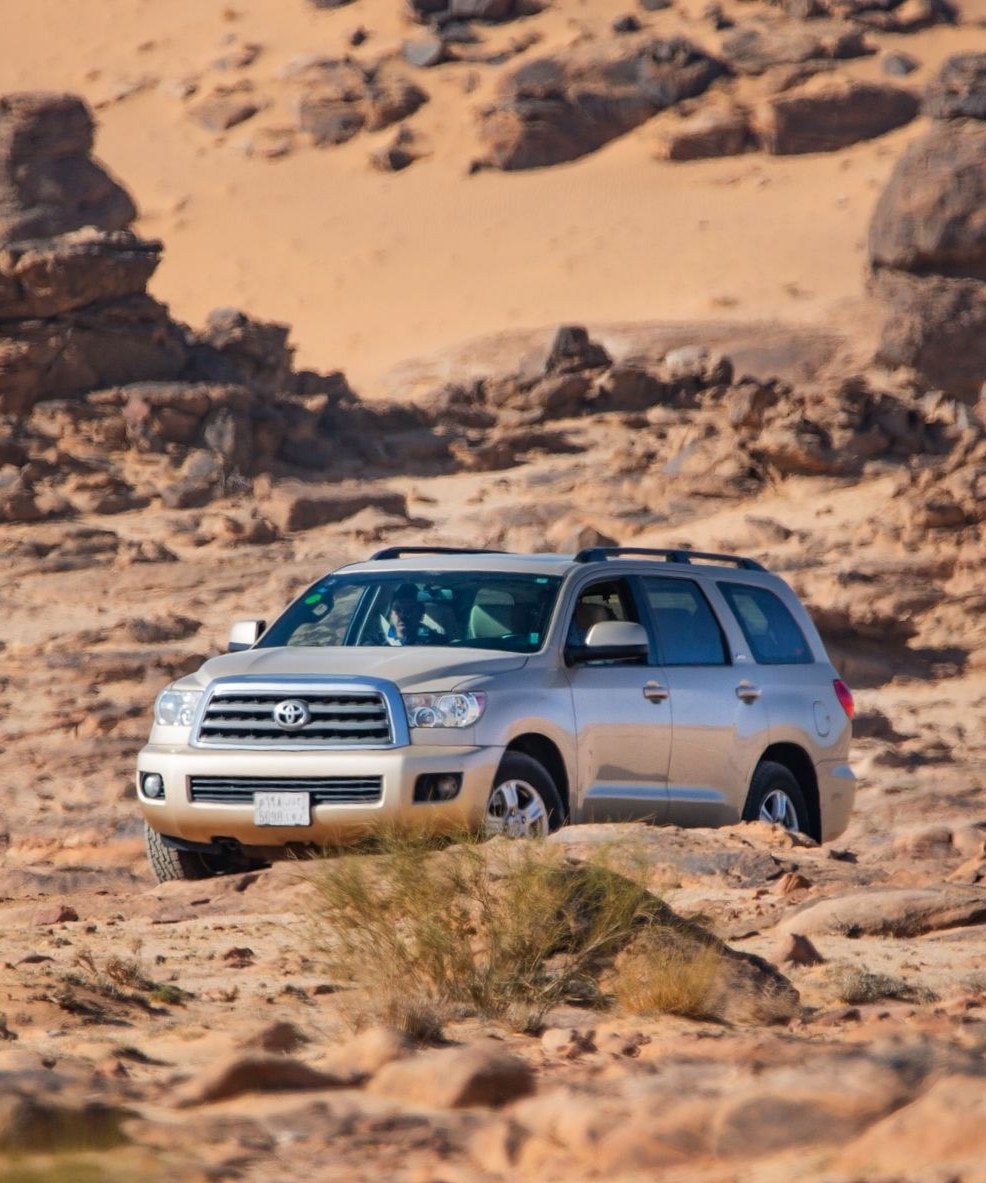
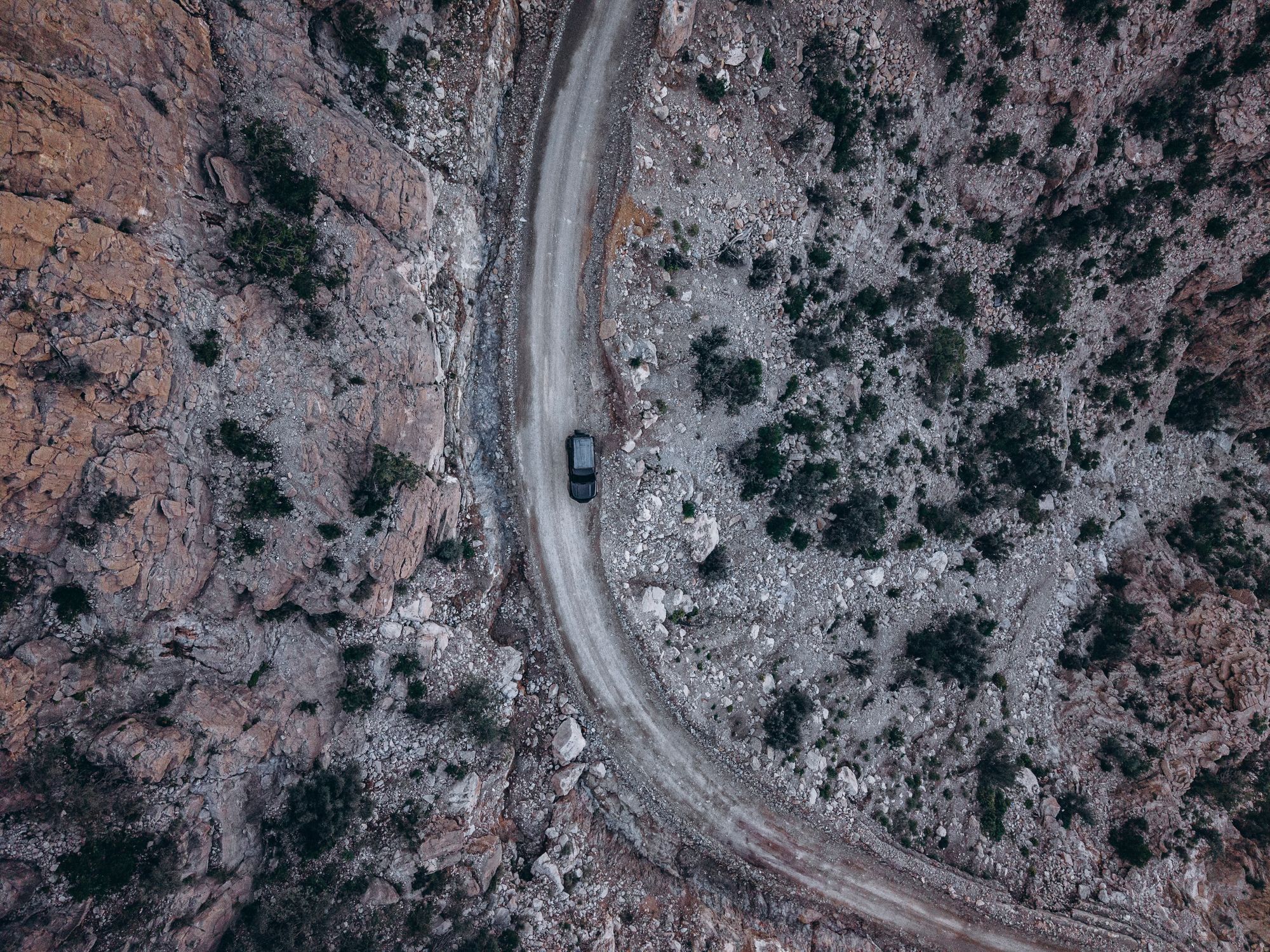
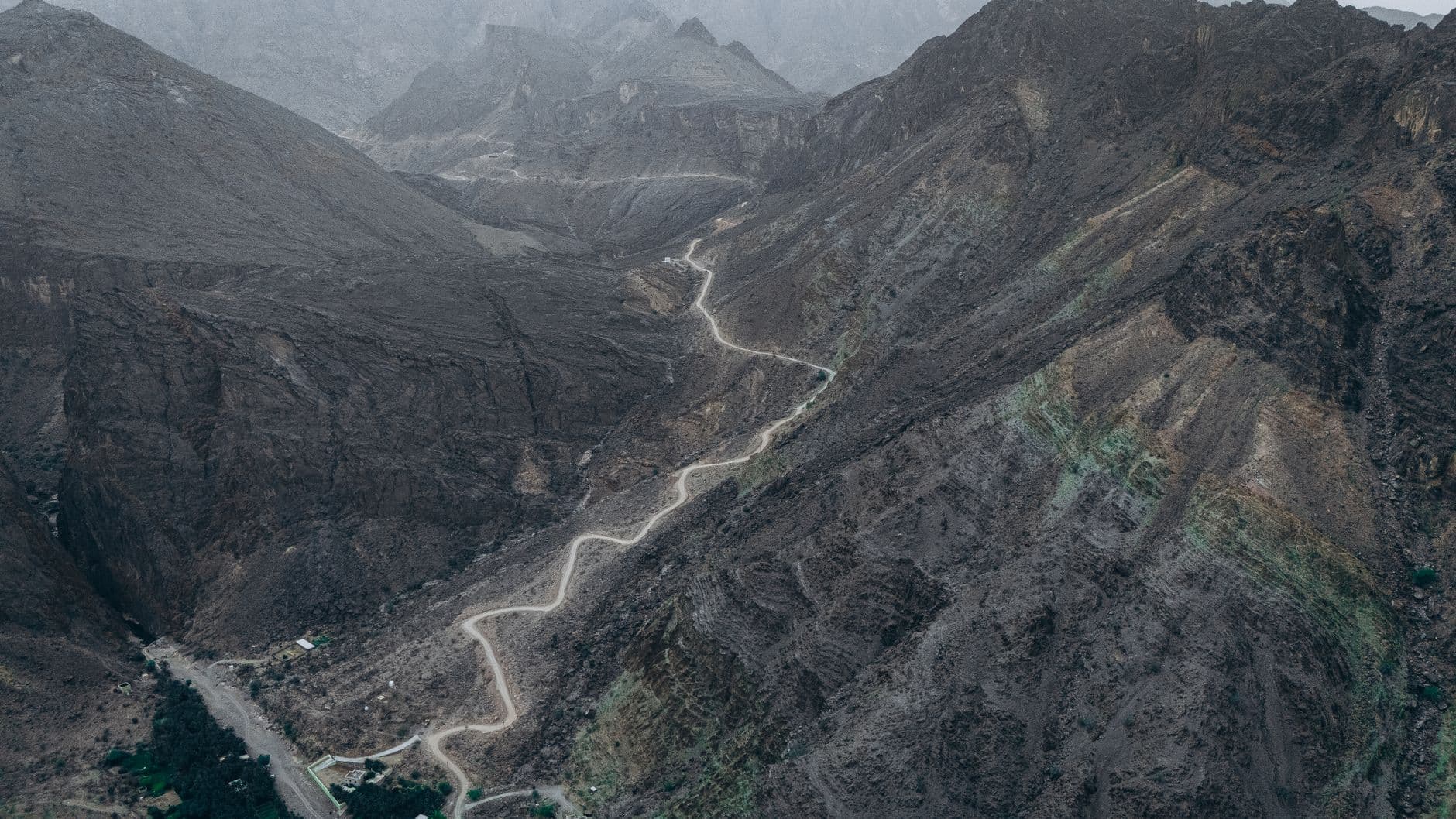
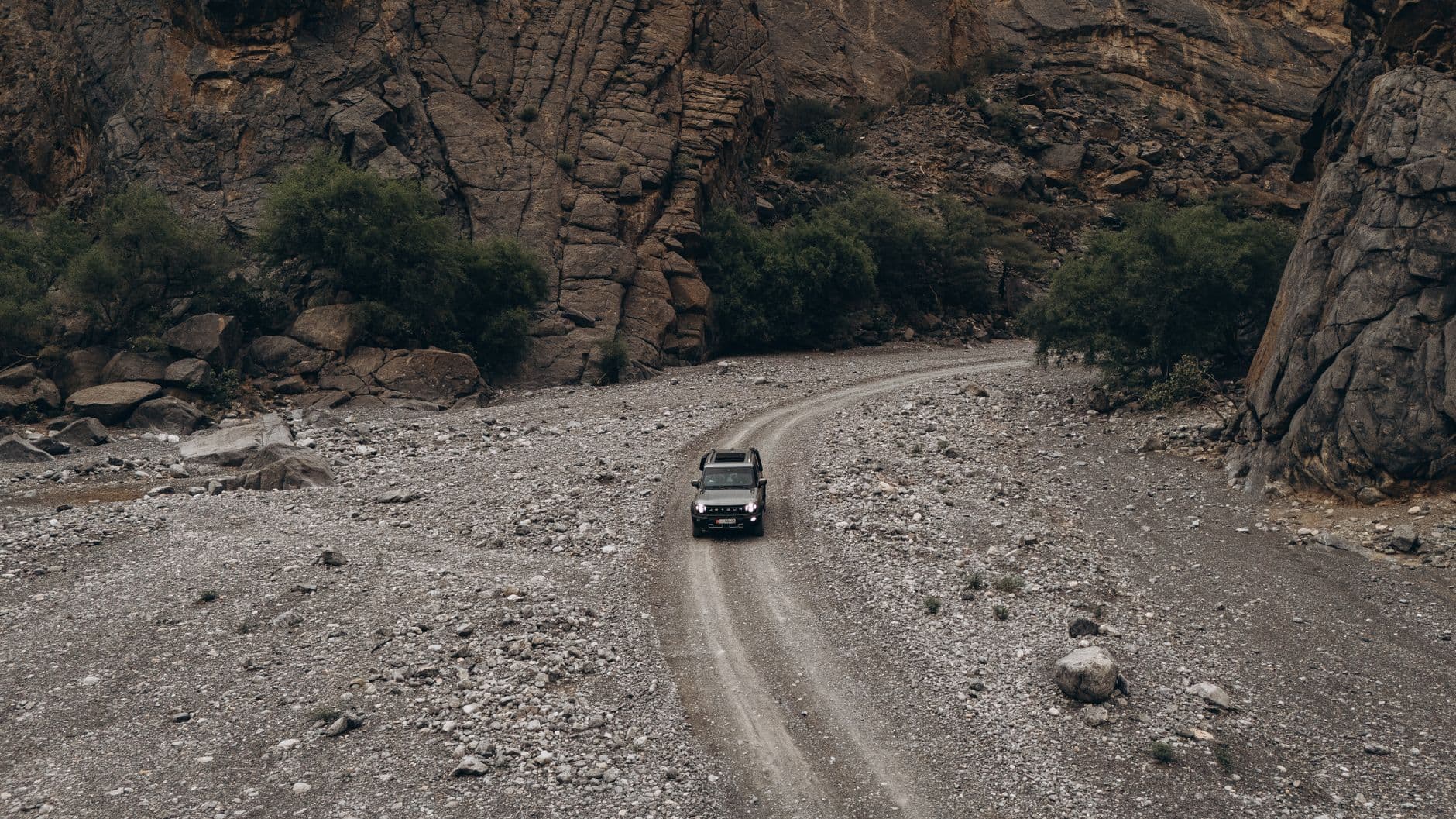
Driving standards are calm and easy once you are clear of the cities, where the traffic is heavier at peak times. Watch for camels and stray animals on open desert roads, especially at dusk and after dark, and keep your speed sensible where the tarmac gives way to gravel. The tarmac covers most of what visitors want to see; only the desert and the rough wadis call for four-wheel drive.
Plan the trip
With the basics in hand, the country opens up. The Oman road trip guide lays out a route through the highlights, and most trips begin with a car collected at Muscat Airport. Driving in from the UAE instead? The Dubai to Oman crossing has extra paperwork to sort out first.