What the khareef is
The khareef is the Indian Ocean monsoon that settles over the mountains above Salalah between roughly mid-June and mid-September. As it does, the Dhofar hills turn a deep green, temperatures fall to around 22°C, and a soft mist drapes the slopes, a landscape entirely unlike the rest of the Gulf in summer. Waterfalls run where there was bare rock, and the whole region takes on a lush, cool character for the season.
When to go
July and August are the most reliable months for full khareef conditions, with the greenest hills and the waterfalls at their strongest; August is often the most dramatic of all. It is peak season, drawing families from across Oman and the Gulf who come to escape the summer heat, so it pays to plan ahead.
Where to go, and why you need a car
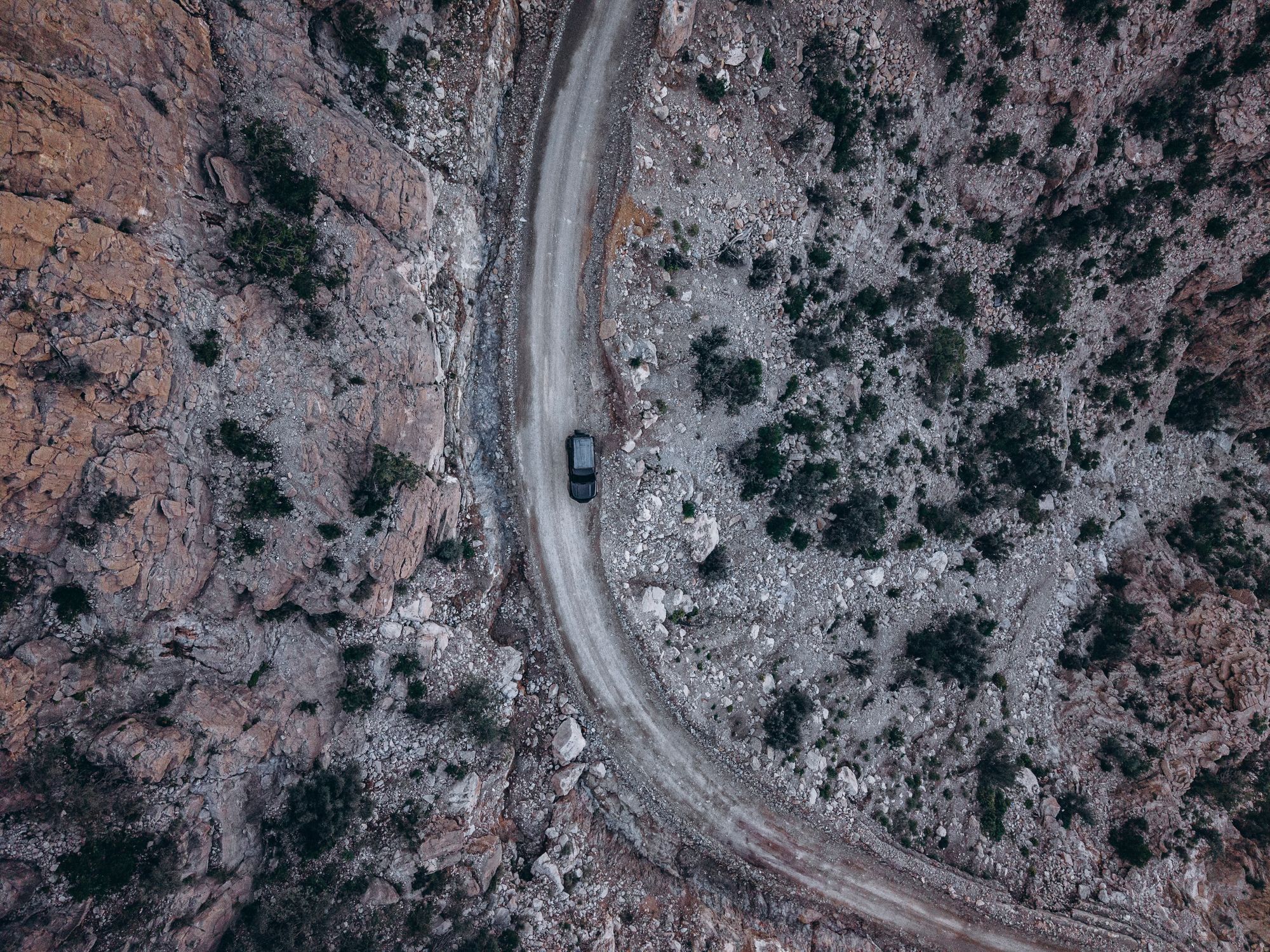
The khareef is spread across Dhofar, and the best of it is out of town. Wadi Darbat, about 40km north of the city, fills with waterfalls, pools and grazing hills, and is the signature khareef sight. The blowholes at Mughsail lie some 50km west along a scenic coast road. Public transport reaches almost none of this, so a rental car is what turns a stay in the city into a proper tour of the season. Most of it is comfortable in a standard car; only the rough mountain tracks want a 4x4.
Driving in the mist
- Khareef mist and drizzle make roads slick and visibility low; slow down and use your lights
- Popular spots like Wadi Darbat get busy at weekends; go early
- The main roads stay in good condition through the season
- Pack a light layer; 22°C and damp feels cool after the Gulf summer
Plan your khareef trip
Base yourself in Salalah and pick the car up on arrival at Salalah Airport, minutes from the centre. First time on Omani roads? The driving in Oman guide has the essentials.